
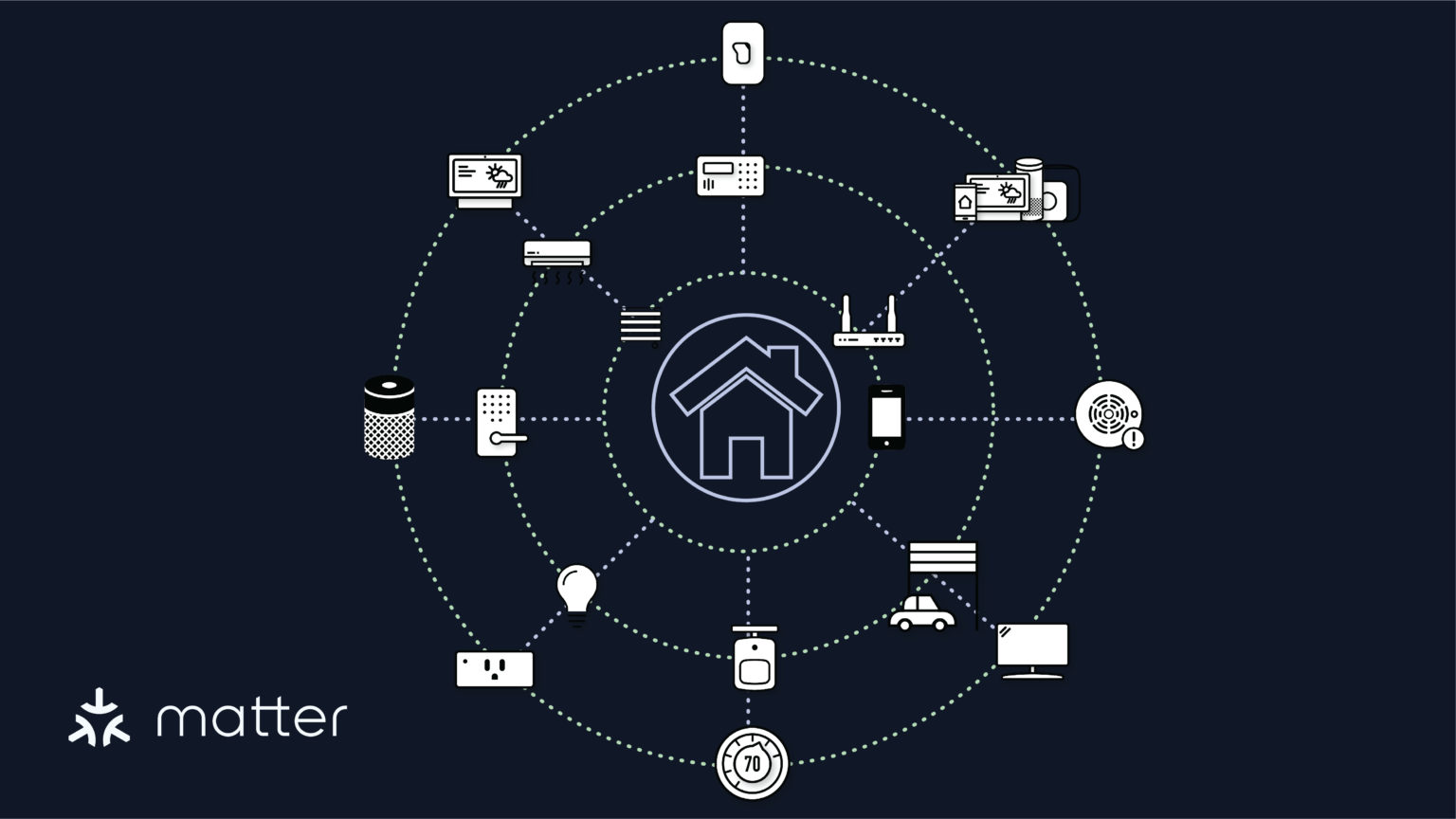
For two years, Matter was the smart home standard that was always “almost ready.” Device support was limited. Setup was buggy. The promise of universal compatibility between Google Home, Apple HomeKit, and Amazon Alexa felt more theoretical than practical.
That’s changed in 2026. Quietly, steadily, and without the fanfare of a single product launch, Matter has crossed the threshold from interesting concept to functional reality.
Over 550 technology companies are now developing Matter-compatible products. Device compatibility has jumped from around 34% to nearly 89%. And perhaps most importantly, setup time for new Matter devices has dropped to under a minute — compared to the multi-step, multi-app nightmare that smart home setup has traditionally required.
Here’s what happened, what it means for your smart home, and why 2026 is the year Matter becomes your default buying criteria.
What Actually Improved
The biggest improvement is setup. Matter uses a standardized onboarding process — scan a QR code, and the device connects to your chosen platform. No downloading a manufacturer-specific app. No creating another account. No firmware update dance. Scan, tap, done.
This sounds minor until you’ve tried to set up a smart home device the old way. Every manufacturer had their own app, their own account system, their own firmware process. A house with devices from six brands meant six apps, six logins, and six different interfaces for managing devices. Matter replaces all of that with your platform’s native app — Google Home, Apple Home, or Alexa.
Device interoperability is the other major leap. A Matter-certified light bulb works identically in Google Home and Apple HomeKit. You’re not buying into an ecosystem anymore — you’re buying a device that works everywhere. Switch from Android to iPhone? Your smart home comes with you. That’s the promise, and in 2026, it’s actually working.
Thread mesh networking — the low-power wireless protocol that many Matter devices use — has matured alongside Matter. Thread creates a self-healing mesh network among your devices, meaning each device strengthens the network. More devices equals better coverage. And Thread operates locally, so your smart home keeps working even if your internet goes down.
 From the shopIt Worked Before the UPDATE$18.45Shop →
Where Matter Still Falls Short
Camera support is coming but not fully baked. Matter 1.0 focused on lights, locks, thermostats, and sensors. Camera integration is part of the roadmap but most camera manufacturers haven’t shipped Matter-compatible models yet. If security cameras are your priority, you’re still tied to platform-specific solutions for now.
Advanced automations remain platform-dependent. Matter ensures basic control — on/off, brightness, temperature — works universally. But complex automations, routines, and conditional logic still depend on your chosen platform’s capabilities. Google Home’s automation engine works differently from Apple HomeKit’s, and Matter doesn’t unify that layer.
And legacy devices don’t get retroactive Matter support in most cases. If you bought smart bulbs three years ago, they probably won’t get a Matter firmware update. The standard primarily benefits new purchases going forward.
The Buying Strategy for 2026
Make Matter compatibility your default requirement for any new smart home device. If two products are similar in price and features but only one supports Matter, buy the Matter device. You’re future-proofing your investment against platform switching and ensuring maximum interoperability.
For categories where Matter support is strong — lighting, smart plugs, switches, locks, thermostats, and sensors — there’s no reason to buy non-Matter devices anymore. The selection is broad enough and the prices are competitive enough that the old excuse of “limited options” no longer applies.
For cameras and more specialized devices, evaluate on a case-by-case basis. Matter support for these categories will arrive, but the timeline is less certain. Buy what works today and plan to integrate when Matter support ships.
And if you’re starting a smart home from scratch, pick your platform (Google Home, Apple HomeKit, or Alexa), buy Matter devices across the board, and enjoy the cleanest, most interoperable smart home setup that’s ever been possible. The dream of “it just works” is finally, genuinely within reach.