
Some links below are affiliate links. If you buy through one, this site earns a commission at no extra cost to you. It never changes a verdict — here is how that works.
For over a decade, the robot vacuum industry has been chasing a single, elusive goal: true autonomy. We’ve seen self-emptying docks, mop-washing stations, and AI obstacle avoidance that can identify a wayward sock from a pet mess. But one barrier has remained insurmountable—the staircase. Multi-story homeowners have always been forced to buy multiple robots or manually haul their “automated” cleaner up and down the stairs.
That changes now.
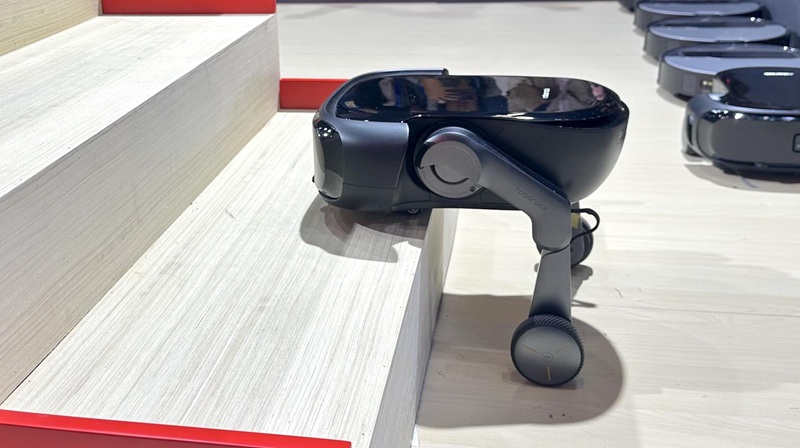
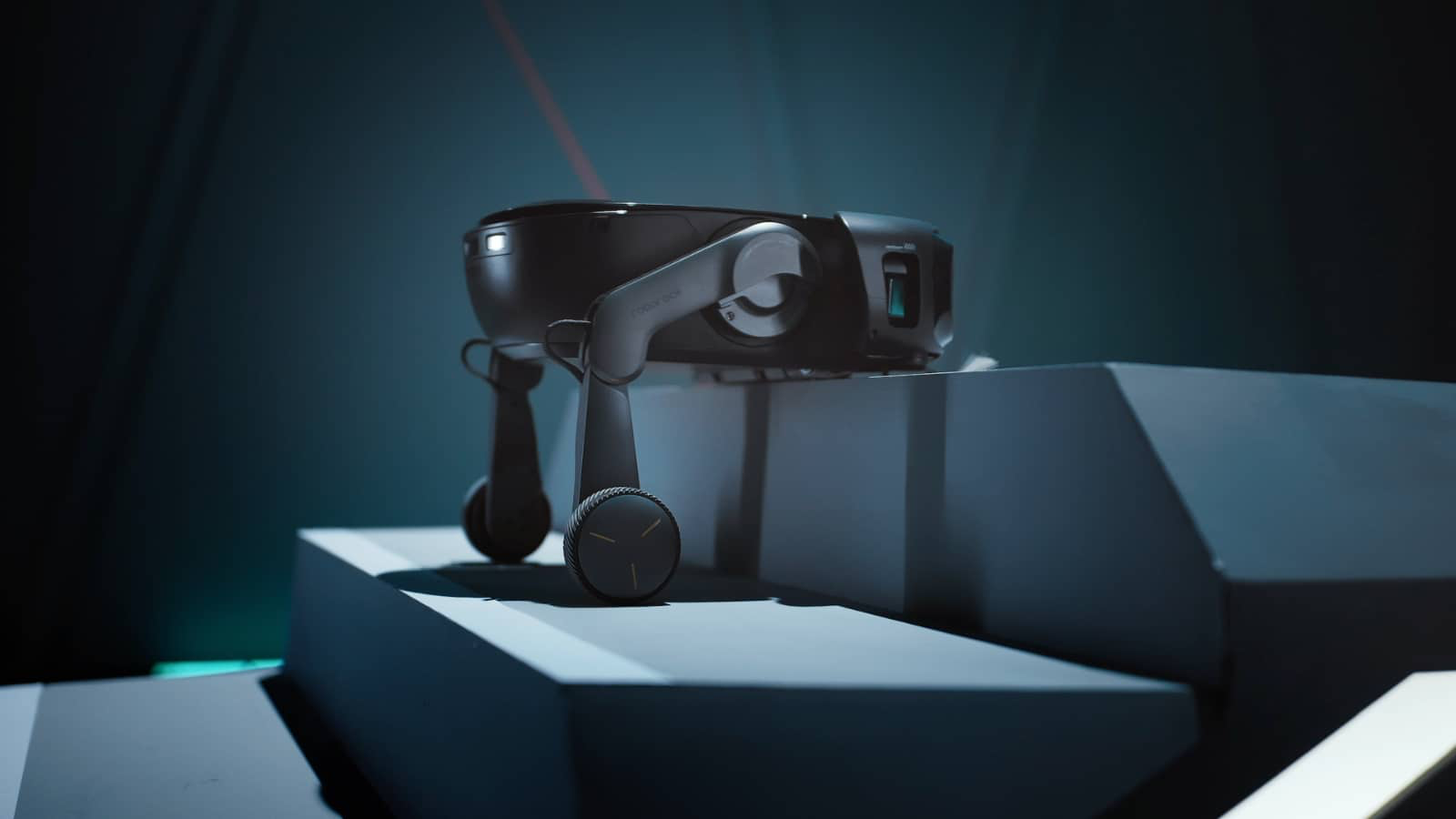
At CES 2026, Roborock unveiled the Roborock Saros Rover, a revolutionary concept that shatters the flat-floor limitation. Featuring a bio-inspired “wheel-leg” architecture, the Saros Rover is the world’s first robot vacuum capable of climbing, descending, and—most importantly—cleaning stairs completely on its own.
While the Saros Rover is currently a functional prototype, it signals a massive shift in home robotics. Below is an in-depth look at this engineering marvel, how it works, and how it compares to the current lineup of Roborock flagships you can buy today.
Shop Current Roborock Models on Amazon
What is the Roborock Saros Rover?
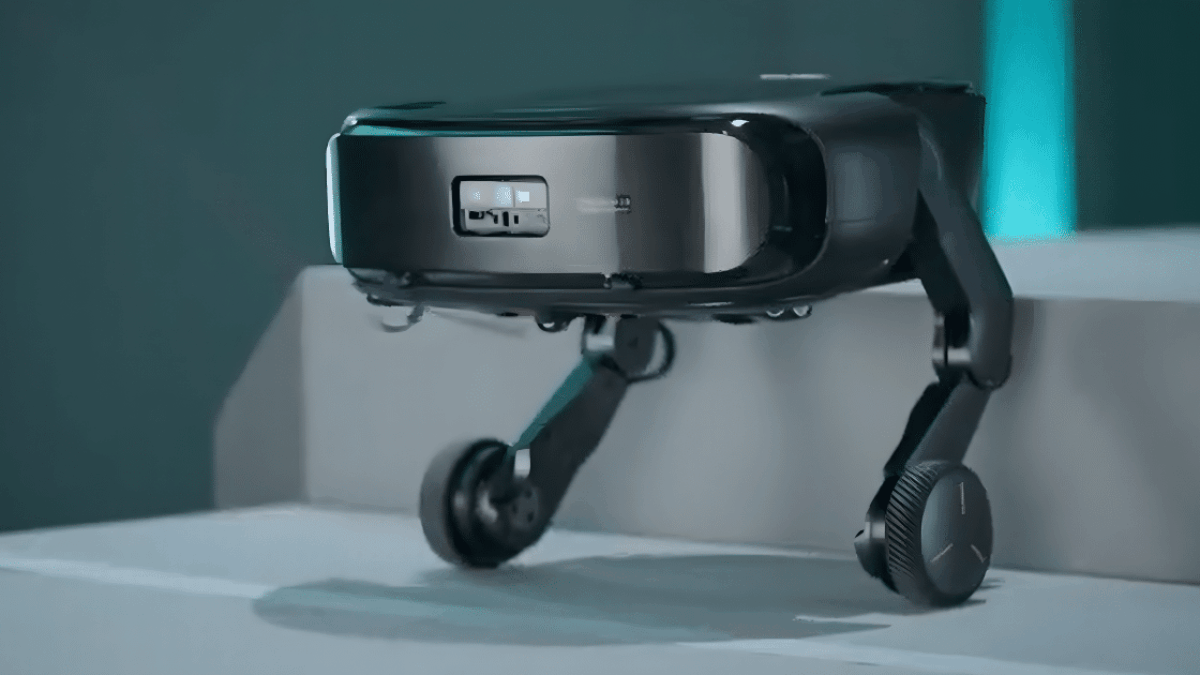
The Roborock Saros Rover is an autonomous cleaning robot designed to eliminate the final “no-go zone” in the home: the staircase. Unlike traditional puck-shaped vacuums that rely on fixed wheels and casters, the Saros Rover is built on a proprietary wheel-leg platform.
This design allows it to operate like a standard high-end vacuum on flat surfaces but transform its mobility when it encounters vertical obstacles. It doesn’t just climb stairs; it navigates complex thresholds, traverses steep slopes, and even performs small “jumps” to clear gaps that would beach a standard robot.
Key Features at a Glance
- Wheel-Leg Architecture: Articulated legs that lift and lower independently.
- Active Stair Cleaning: Vacuums the step while climbing, rather than just transiting.
- Omnidirectional Movement: Can turn in place and move sideways (crab walk) to navigate tight landings.
- 3D Spatial Intelligence: Uses advanced AI to map the geometry of a staircase before attempting a climb.
Why Is It Different?
To understand why the Saros Rover is such a massive leap forward, we have to look at how the industry has tried (and failed) to solve the stair problem in the past.
 From the shopIt Worked Before the UPDATE$18.45Shop →
1. It Doesn’t Need a Separate Elevator
Previous attempts at stair-climbing robots often involved clunky, tank-tread designs that were too tall to clean under furniture, or they relied on separate “elevator” docks installed on the wall. The Saros Rover is self-contained. It carries all the hardware it needs to climb within its chassis, maintaining a relatively slim profile that can still clean under sofas when it’s on flat ground.
2. It Cleans While It Climbs
This is the “killer app” of the Saros Rover. Other prototype climbing robots usually treat stairs as an obstacle to simply get past. They fold up, climb to the next floor, and then start cleaning.
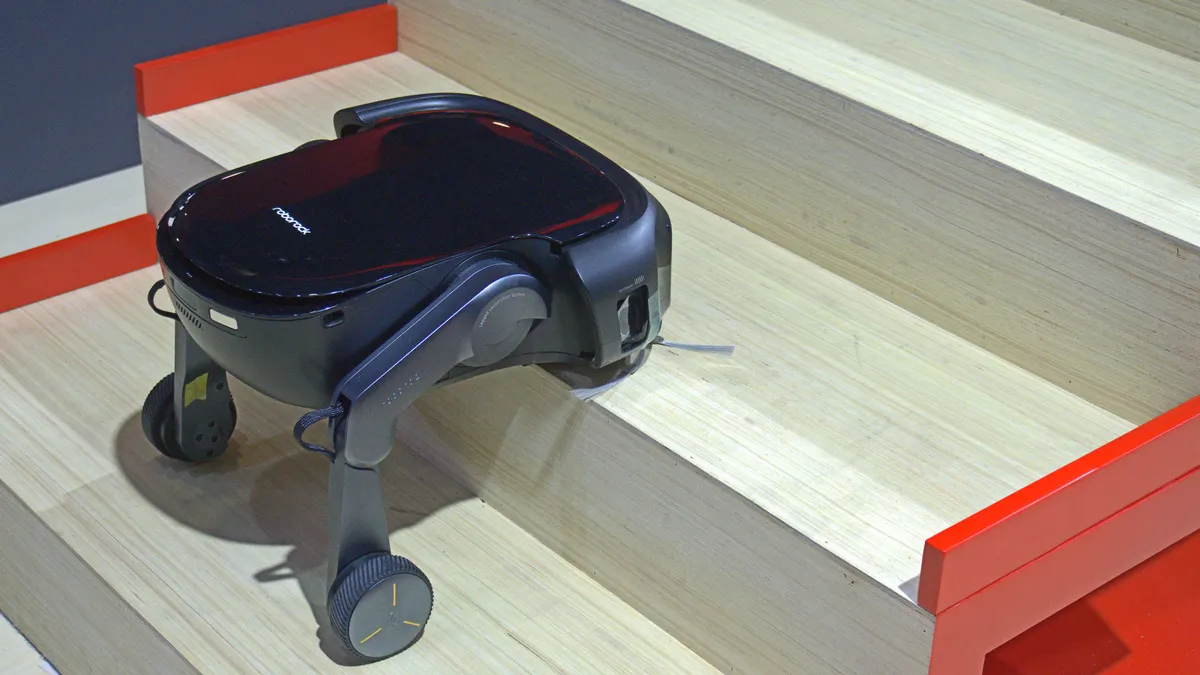
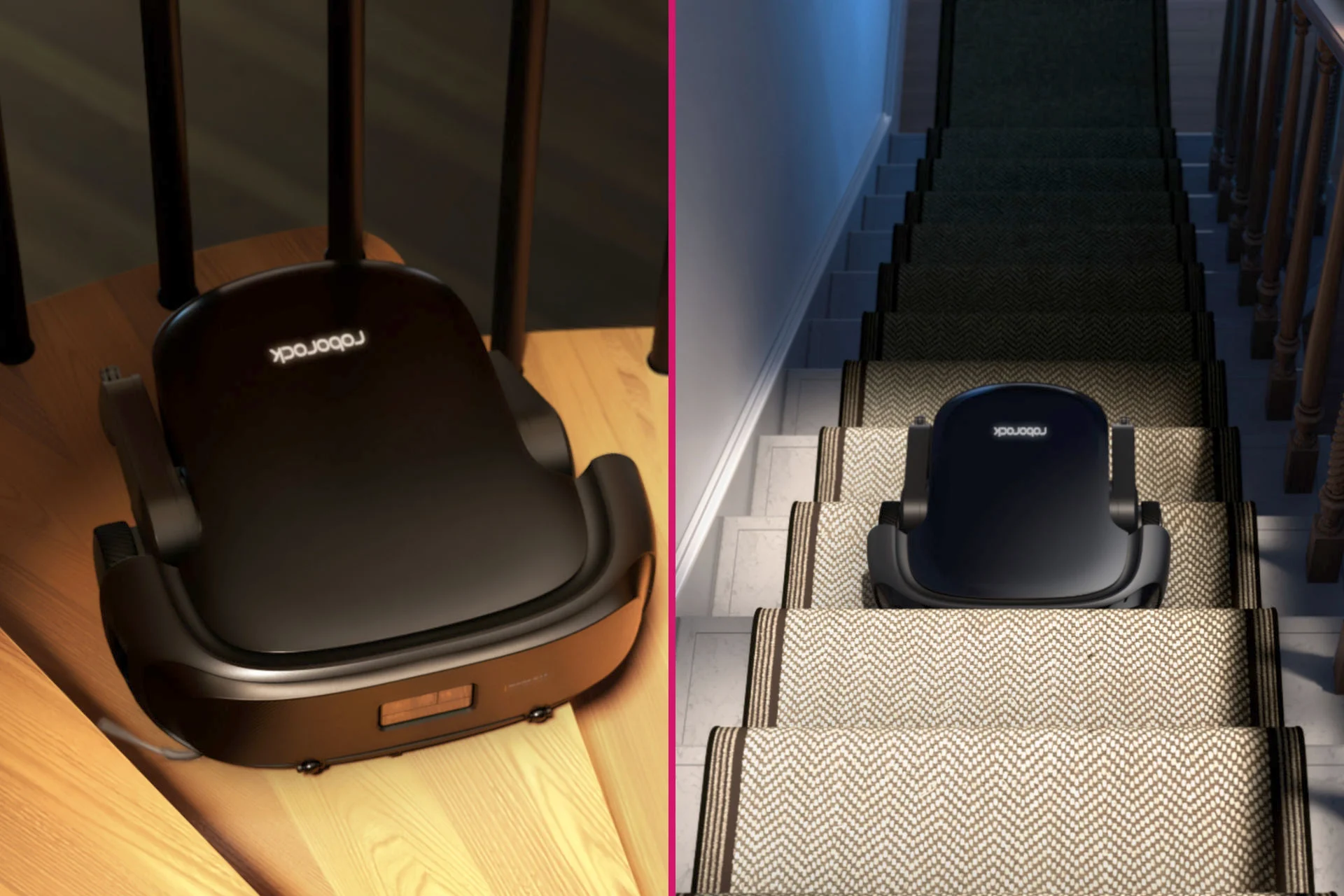
The Saros Rover treats the stairs as part of the floor plan. As it maneuvers up the staircase, it vacuums the tread of the step it is currently standing on. This effectively adds square footage to your cleaning map that has never been automated before.
3. Human-Like Stability
The wheel-leg design offers active suspension. If the robot travels over a mess of cables, a high door threshold, or an uneven slate floor, it can adjust the height of individual legs to keep its main body perfectly level. This ensures consistent suction seal and prevents the “beaching” effect that plagues standard robots on high-pile rugs.
Deep Dive: How Does the Vacuum Move Up Stairs?
The engineering behind the Saros Rover is best described as “bio-mimicry.” Roborock engineers studied human and animal gait to create a movement system that is fluid rather than robotic and stiff.
The Wheel-Leg Mechanism
The robot features two primary drive wheels, but instead of being fixed to the chassis, each wheel is mounted on an articulated robotic leg. These legs have multiple joints that allow them to:
- Lift: Raise the wheel vertically.
- Extend: Push the wheel forward or backward away from the body.
- Rotate: Change the angle of approach.
The Ascent (Climbing Up)
When the Saros Rover approaches a staircase, its onboard LiDAR and 3D Time-of-Flight (ToF) sensors scan the stairs to analyze height, depth, and surface material (wood, carpet, etc.).
- Bracing: The robot positions itself at the base of the first step.
- Lift & Reach: It engages its front stability arm (or “tail”) and lifts one wheel-leg, reaching it up and over the lip of the stair.
- Pull: Once the front wheels are planted on the higher step, the legs contract to pull the main chassis up.
- Clean: During this transition, the vacuum intake passes over the surface of the step, removing dust and debris.
The Descent (The “Backstroke”)
Going down is arguably harder than going up due to gravity. The Saros Rover utilizes a technique engineers compare to a swimmer’s backstroke.
- Reverse Approach: The robot typically descends backward.
- Extension: It extends its legs down to “feel” for the lower step while keeping its weight centered safely on the upper step.
- Lowering: Once stable contact is made, it lowers the chassis in a controlled motion, ensuring it doesn’t tumble.
Obstacle Clearance
Beyond stairs, this architecture allows for “dynamic threshold crossing.” Standard robots struggle with thresholds higher than 2cm (0.8 inches). The Saros Rover can simply lift a leg and step over thresholds as high as 4 inches, or even hop over small gaps.
Brief History of Roborock
To understand how Roborock arrived at the Saros Rover, it helps to look at their history of rapid innovation.
- 2014: Founded in Beijing, with investment from electronics giant Xiaomi. Their goal was to create smarter, more durable robotic cleaners.
- 2016: Launched the Mi Home Robotic Vacuum. It was a game-changer, offering high-end LiDAR navigation (LDS) at half the price of US competitors.
- 2019 (S6 Series): Introduced AI mapping that could recognize rooms and allow for “Selective Room Cleaning.”
- 2020 (S6 MaxV): The first Roborock with ReactiveAI, using dual cameras to see and avoid obstacles like pet waste and shoes.
- 2021 (S7): Introduced VibraRise, the world’s first mopping system that could lift up when it detected carpet, allowing for single-pass cleaning of mixed floor types.
- 2024-2025 (S8 MaxV & Qrevo Curv): Introduced the “FlexiArm” side brush to clean corners and the “AdaptiLift” chassis (the precursor to the Rover) which could slightly lift the robot to aid airflow on carpets.
- 2026: The Saros Series debuts. This includes the Saros 20 (ultra-high suction), Saros 20 Sonic (ultra-slim), and the Saros Rover (stair climbing).
Roborock has evolved from a “value alternative” to the undisputed leader in navigation technology. The Saros Rover is the culmination of their work in spatial awareness and mechanical articulation.
Comparisons: Saros Rover vs. The Flagships
While the Saros Rover is the star of the show, it is currently a concept/prototype model. Roborock has a lineup of purchasable flagships for 2026 that borrow technology from the Rover project.
Here is how the Saros Rover compares to the Saros 20 and the popular S8 MaxV Ultra.
| Feature | Roborock Saros Rover | Roborock Saros 20 (2026 Flagship) | Roborock S8 MaxV Ultra (2025 Flagship) |
| Primary Innovation | Stair Climbing Wheel-Legs | 35,000 Pa Suction & AdaptiLift 3.0 | FlexiArm Side Brush |
| Navigation | 3D Spatial AI + Motion Sensors | StarSight™ Autonomous System 2.0 | ReactiveAI 2.0 (RGB + Light) |
| Suction Power | ~19,000 Pa (Prototype spec) | 35,000 Pa (Industry Leader) | 10,000 Pa |
| Threshold Height | Unlimited (Stairs) | 3.3 Inches (8.5 cm) | ~0.8 Inches (2 cm) |
| Mopping System | Standard Integrated Mop | VibraRise 5.0 (Sonic Scrubbing) | VibraRise 3.0 |
| Best For | Multi-story homes with no elevator | Thick rugs, high thresholds, pet hair | Mixed flooring, smart home integration |
| Availability | Concept / In Development | Available 2026 | Available Now |
Export to Sheets
Which One Should You Buy?
Wait for the Saros Rover if: You live in a multi-level home and you are tired of carrying your robot up and down the stairs. If you want the absolute cutting edge of robotics and have the patience to wait for a release date (likely late 2026 or 2027), this is the droid you are looking for.
Buy the Saros 20 / S8 MaxV Ultra if: You need a vacuum today. The Saros 20 is an absolute beast when it comes to raw power. With 35,000 Pa of suction, it is nearly 3x as powerful as most premium vacuums from just two years ago. It also features the AdaptiLift Chassis, which is a “lite” version of the Rover’s technology—it can’t climb stairs, but it can lift itself up to 3 inches to get over chunky room dividers or extremely thick rugs.
Check Pricing on Roborock Vacuums Here
The Verdict
The Roborock Saros Rover is more than just a gadget; it is a proof of concept that the era of flat-floor-only robotics is ending. By combining the agility of a Boston Dynamics robot with the cleaning utility of a Roomba, Roborock has created a machine that feels truly futuristic.
While we wait for the official release date and pricing, the technology inside the Rover is already trickling down into the current Roborock lineup. If you are looking to upgrade your smart home cleaning setup, there has never been a better time to look at what Roborock is offering.