
Short on time? Sleep Number can be a fantastic solution if you’re buying it for the right reason (usually: couples who need different firmness, or sleepers whose needs change over time). It can also be an expensive headache if you expect it to behave like a “normal mattress.” This review is built to help you decide with fewer surprises.
Quick Picks: Which Sleep Number Should You Buy?
- Best overall for most people: p6 (strong balance of price, comfort layers, and smart features)
- Best premium “sweet spot”: i8 (most people who want “premium Sleep Number” land here)
- Best plush feel (non-climate): i10 or iLE (more cushioning, more “luxury” feel)
- Best for hot sleepers: ClimateCool (active cooling) / Climate360 (active cooling + warming)
- Best budget entry: c4 (more cushion than c2) or c2 (lowest-cost entry)
- Best for foam lovers: m7 (memory-foam feel on top of adjustable support)
If is around a holiday, Sleep Number is most likely running a HUGE sale right now. Check out current pricing here –> Sleep Number Website Sale
How This Review Was Built (So You Can Trust It)
There are two ways mattress reviews go wrong online: (1) they read like marketing copy, or (2) they review Sleep Number like it’s a normal foam or hybrid mattress. This review takes a different approach.
- Manufacturer policy audit: trial rules, fees, exclusions, and warranty language were pulled from Sleep Number’s official support/legal pages where possible.
- Model-by-model comparison: lineup organized by the series Sleep Number uses (Classic, Performance, Innovation, Memory Foam, Climate).
- Real-world ownership lens: cost of ownership, common complaints, and practical fixes are included because Sleep Number is a system, not just a mattress.
- Competitor reality check: Sleep Number vs competitors is framed by “what problem are you solving?” not brand hype.
What Is a Sleep Number Bed (And Why It Feels Different)?
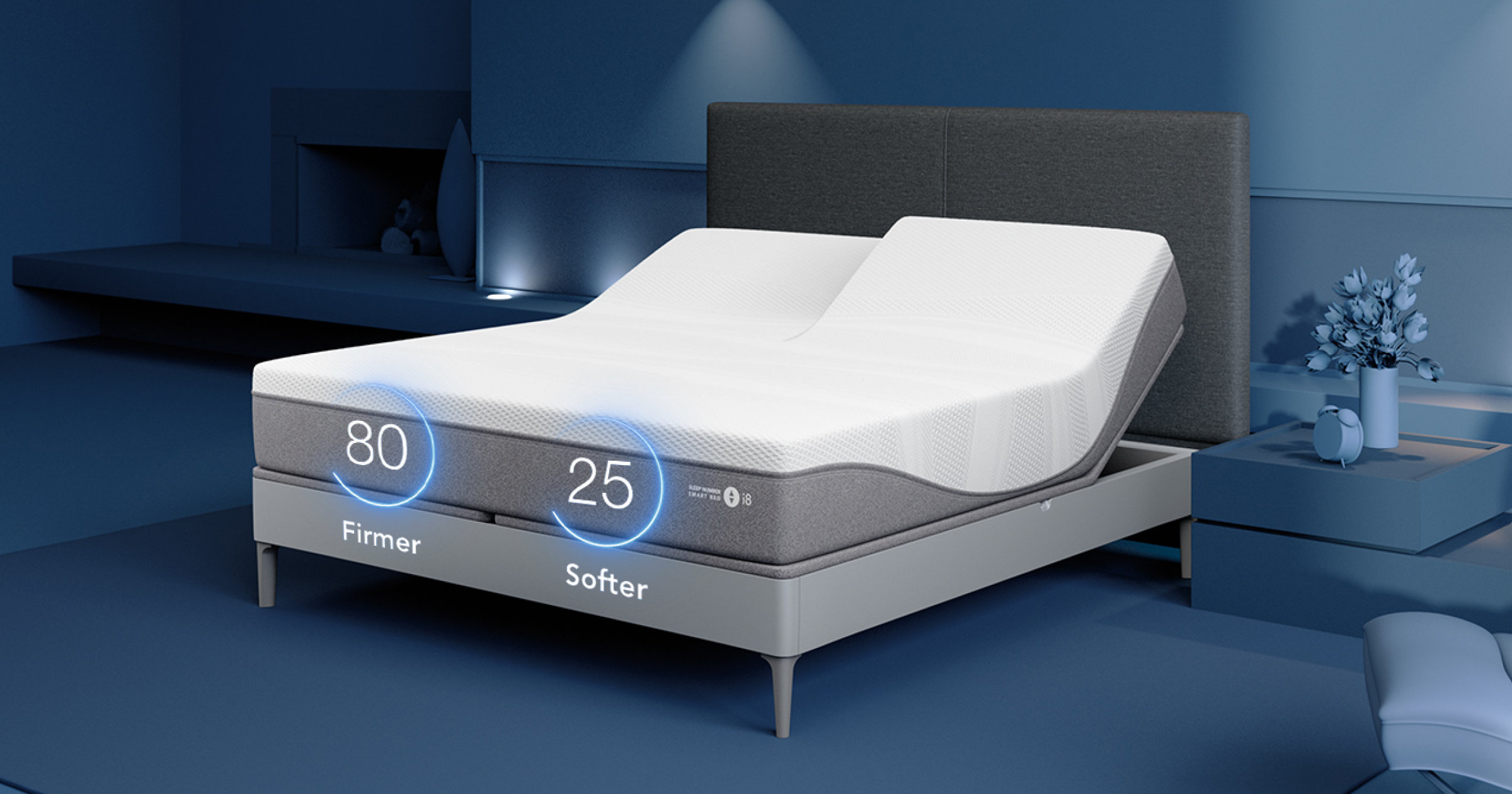
A Sleep Number bed is a smart adjustable air bed. Instead of coils or a solid foam core, it uses air chambers underneath comfort layers. You adjust firmness by changing air pressure, usually represented on a 1–100 scale (higher typically feels firmer).
The big win: most queen+ systems are split—each sleeper can set their own firmness. That single feature can solve the most common couple mattress problem: one person wants firm, the other wants soft.
The big tradeoff: the “feel” can be polarizing. Some people love the flexibility. Others notice a buoyant or less traditional feel—especially on entry models with thinner comfort layers.
What changes from model to model?
- Comfort layers: thicker foams generally mean better pressure relief and less “air-bed” sensation.
- Temperature system: standard models emphasize “temperature balancing,” while Climate models add active cooling (and Climate360 adds warming too).
- Smart features + ecosystem: SleepIQ tracking, Responsive Air adjustments, and compatibility with adjustable bases.
- Base choice: your adjustable base can change the experience as much as the mattress itself.
Before You Buy: Trial, Fees, and Warranty (The Stuff Most Reviews Bury)
Bottom line: Sleep Number’s trial isn’t always “free to try.” You should plan on a 30-night minimum before returns, and a return/exchange fee is typically required.
- 100-night in-home trial: Sleep Number’s policy generally allows returns/exchanges starting on day 31 and up to day 100 (after you’ve tried it for 30 nights).
- Return/exchange fee: official policy states you’re typically responsible for a $250 return or exchange fee (and $350 in extended service areas).
- Exchanges: exchanged items are often treated as final sale and do not reset your trial period.
- Warranty: Sleep Number commonly advertises a 15-year limited warranty. “Limited” matters—coverage and cost responsibility can change over time, so read the terms for your model/system.
Why this matters: Sleep Number is expensive enough that policy friction can be the difference between “best purchase ever” and “why did I do this?” If you’re uncertain about air-bed feel, test thoroughly in-store and be realistic about trial fees.
Sleep Number Lineup Explained (Classic vs Performance vs Innovation vs Climate)
Sleep Number’s lineup makes more sense when you picture a ladder. You’re not just paying for “smarter.” You’re paying for more comfort material, more temperature control, and in some cases more system hardware.
- Classic (c2, c4): entry point—thinner comfort layers, more “air-bed” character.
- Performance (pSE, p5, p6): more cushioning and pressure relief, better balance for most buyers.
- Innovation (i8, i10, iLE): premium feel—more plush comfort layers and upscale finishes.
- Memory Foam (m7): for foam lovers who still want adjustable support.
- Climate (ClimateCool, Climate360): for hot/cold sleepers who want active temperature control (highest prices, most hardware).

Sleep Number Model Overview (Table)
Note: Pricing varies dramatically by size, promotions, and whether you bundle an adjustable base. If a stable, consistently verifiable price range wasn’t available at publishing time, the table shows Data not available.
If is around a holiday, Sleep Number is most likely running a HUGE sale right now. Check out current pricing here –> Sleep Number Website Sale.
| Model Name | Firmness Range | Price Range | Notable Features | Sizes | Warranty | User Ratings |
|---|---|---|---|---|---|---|
| Climate360® smart bed | 1–100 | Data not available (often sold as a premium system; sales pricing changes) | Active cooling + warming; individualized temperature routines | Data not available | 15-year limited | Data not available |
| ClimateCool™ smart bed | 1–100 | Data not available | Active cooling you control; breathable surface; adjustable firmness | Data not available | 15-year limited | 4.74/5 (621 reviews) |
| iLE smart bed | 1–100 | Data not available | High-end Innovation tier; premium comfort layers | Data not available | 15-year limited | 4.76/5 (34,788 reviews) |
| i10 smart bed | 1–100 | Data not available | Plush feel; thicker comfort layers; temperature-balancing materials | Data not available | 15-year limited | 4.78/5 (20,856 reviews) |
| i8 smart bed | 1–100 | Data not available | “Sweet spot” for premium buyers; strong balance of comfort + tech | Data not available | 15-year limited | Data not available |
| p6 smart bed | 1–100 | Data not available | Best overall value pick for many shoppers; adjustable firmness + insights | Data not available | 15-year limited | 4.73/5 (19,581 reviews) |
| p5 smart bed | 1–100 | Data not available | Popular mid-tier Performance model; comfort upgrade vs Classic | Data not available | 15-year limited | 4.70/5 (22,542 reviews) |
| pSE smart bed | 1–100 | Data not available | Entry Performance model; lower-cost way into the system | Data not available | 15-year limited | Data not available |
| c4 smart bed | 1–100 | Data not available | Classic step-up; more cushion than c2 | Data not available | 15-year limited | 4.68/5 (21,827 reviews) |
| c2 smart bed | 1–100 | Data not available | Classic entry; thinnest comfort system | Data not available | 15-year limited | 4.66/5 (22,702 reviews) |
| m7 smart bed | 1–100 | Data not available | Memory-foam feel + adjustable air support underneath | Data not available | 15-year limited | Data not available |
What Sleep Number Feels Like (With Real-World Descriptions)
Most mattress reviews skip this because it’s subjective. But with Sleep Number, it’s essential—your experience can change significantly based on your setting and model tier.
- Low settings (roughly 20–35): softer feel, more cradle. Some sleepers feel less stability (especially on thinner comfort models).
- Mid settings (roughly 40–60): the “balance zone” for many—supportive without feeling hard.
- High settings (roughly 65–85+): firmer, more “on top” feel. Some back sleepers and heavier sleepers prefer this.
The two common feel surprises
- “Divider feel” in the middle: dual chambers can create a subtle ridge/valley sensation for some couples—especially if you sleep near the center.
- Motion can vary by setting: at softer settings some people notice more “wave” or buoyancy. Firmer settings can feel more stable.
Pros and Cons by Model (With Who It’s Best For)
Climate360® smart bed
Best for: couples with serious hot/cold issues who want top-tier temperature control and are comfortable paying premium pricing.
- Pros: Active cooling + warming routines; individualized temperature control; full-feature “flagship” system.
- Cons: Highest cost and most complexity; only worth it if temperature is a real ongoing problem.
ClimateCool™ smart bed
Best for: hot sleepers who want active cooling without paying for warming.
- Pros: Active cooling you can control; breathable surface; still adjustable firmness; strong early rating snapshot.
- Cons: Higher price than non-climate models; ensure your room/bedding aren’t the real cause of overheating first.
iLE smart bed
Best for: premium buyers who want a luxe feel and strong pressure relief (without necessarily going to climate tier).
- Pros: Very high rating snapshot with huge review volume; premium comfort layers; widely promoted/available.
- Cons: Expensive; still an air-bed system (so if you hate that feel, paying more won’t “fix” it).
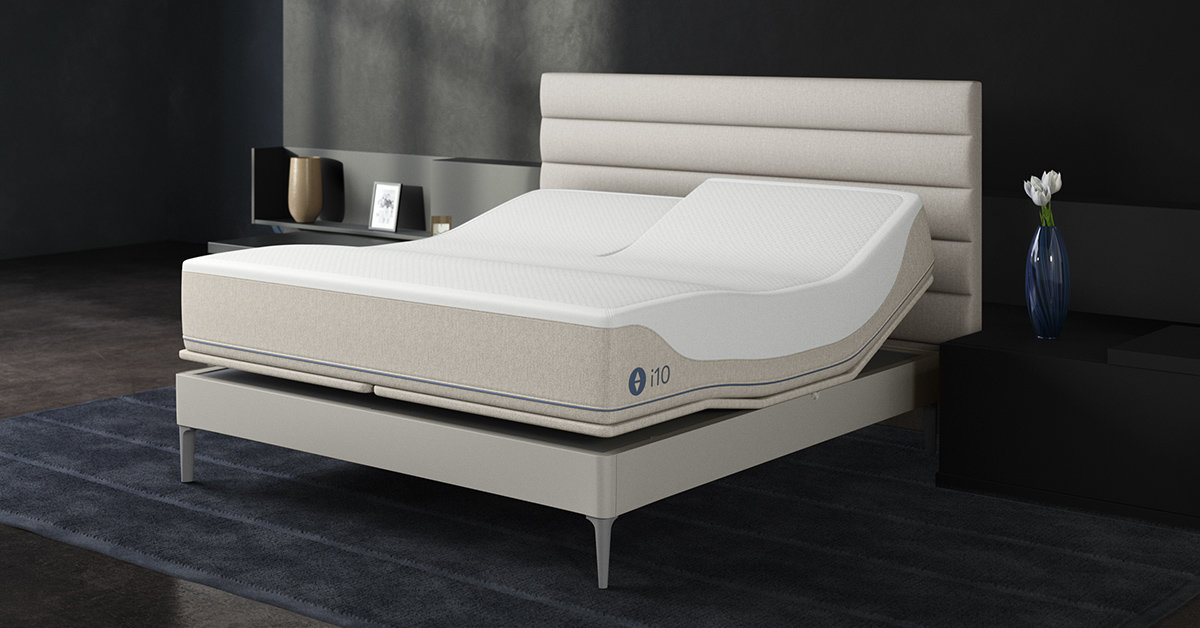
i10 smart bed
Best for: shoppers who want plush comfort and maximum cushioning in the standard (non-climate) lineup.
- Pros: Excellent rating snapshot; thicker comfort layers; strong for couples and pressure relief needs.
- Cons: Premium price; cross-shop Tempur-Pedic/Purple/Saatva if you don’t truly need adjustability.
i8 smart bed
Best for: most premium shoppers—often the “sweet spot” where comfort, features, and price balance best.
- Pros: Great balance of cushioning + tech; excellent couple fit; less costly than climate tier.
- Cons: Divider feel can bother center sleepers; if you overheat badly, Climate models may be the true solution.
p6 smart bed
Best for: the best “value meets features” choice for most buyers.
- Pros: Strong balance of comfort + adjustability; popular pick in third-party testing; broad appeal for couples.
- Cons: If you’re extremely pressure-point sensitive, you may want i-series plushness or m7 foam feel.
p5 smart bed
Best for: mid-tier buyers who want more comfort than Classic without paying i-series pricing.
- Pros: Large rating snapshot and review volume; solid all-around choice.
- Cons: Still expensive versus many great hybrids; confirm what’s included with your configuration.
pSE smart bed
Best for: buyers who want Sleep Number adjustability at a lower starting cost.
- Pros: Lower-cost entry into the ecosystem; good guest-room option.
- Cons: More “air-bed” character than thicker comfort models; fewer consistently verifiable details at publication time.
c4 smart bed
Best for: budget shoppers who still want dual firmness but prefer more cushion than c2.
- Pros: Strong entry pick with improved comfort over c2; often discounted.
- Cons: Less plush than Performance/Innovation; may not satisfy sensitive side sleepers.
c2 smart bed
Best for: the lowest-cost path into Sleep Number (best if you already know you like air-bed feel).
- Pros: Most affordable in many promos; huge review volume.
- Cons: Thin comfort layers mean more “air mattress” feel; not ideal for many pressure-point sleepers.
m7 smart bed
Best for: foam lovers who want contouring and pressure relief but still want adjustable support.
- Pros: More traditional memory-foam feel; great for side sleepers who need pressure relief.
- Cons: Foam feel isn’t for everyone; still a system with components (more complex than standard foam mattresses).
The Adjustable Base Question (FlexFit 1 vs FlexFit 2 vs FlexFit 3)
A big reason people overspend—or underspend—on Sleep Number is because they treat the base like an afterthought. Don’t. The base changes comfort, snoring support, reading/TV posture, and even perceived value.
| Base | What It Does | Who It’s Best For | Who Should Skip |
|---|---|---|---|
| FlexFit 1 | Head elevation (basic adjustable functionality) | Readers, reflux support, basic head-raise comfort | Anyone who wants foot elevation, massage, or premium features |
| FlexFit 2 | Head + foot elevation; more advanced positioning (often marketed with “zero gravity” style comfort) | People who want true adjustable positioning for comfort/recovery | Buyers who only want a small head raise and are budget limited |
| FlexFit 3 | Most full-feature option; adds premium comfort features (varies by promo/model) | “All-in” buyers who want the best base experience | Anyone who won’t use premium features and would rather spend on mattress tier |
Pro tip: If you have a strict budget, it’s often smarter to buy a better mattress tier (p6/i8) with a simpler base than to buy an entry mattress (c2/c4) with an expensive base. Comfort layers matter every single night.
The Real Cost of Ownership (What You’ll Pay Beyond the Sticker Price)
Cost-of-Ownership Checklist
- Trial fee: plan on a return/exchange fee if you send it back.
- Base costs: adjustable bases can add a large amount depending on tier.
- Delivery/setup: some promos include delivery; others add fees (and extended areas can cost more).
- Long-term components: it’s a system (air + hoses + pump/control + sensors), so maintenance is part of the category.
In the showroom, Sleep Number feels straightforward: pick a model, pick a base, choose a number. The surprise comes later when you realize you didn’t just buy a mattress—you bought a system with policies and components.
- If you’re uncertain about feel: treat the trial fee as the cost of “renting” the mattress for a month. If that feels unacceptable, consider alternatives with easier returns.
- If you’re confident you want adjustable air: the long-term value can be excellent—especially for couples who would otherwise buy two different mattresses or replace more often.
Sleep Number vs Competitors (Tempur-Pedic, Purple, Saatva)
Here’s the truth: Sleep Number doesn’t need to “beat” Tempur-Pedic or Purple at being a traditional mattress. It wins when your problem is dual-zone adjustable firmness (and optionally sleep insights + temperature control). If your problem is pressure relief or cool sleep without an air system, competitors can be smarter purchases.
| Brand/Model | Best For | Technology | Trial / Return Notes | Warranty |
|---|---|---|---|---|
| Sleep Number (varies) | Couples with different firmness needs; adjustable comfort over time | Adjustable air chambers + smart ecosystem; climate tech on select models | 100-night trial with 30-night minimum; return/exchange fee typically applies | 15-year limited |
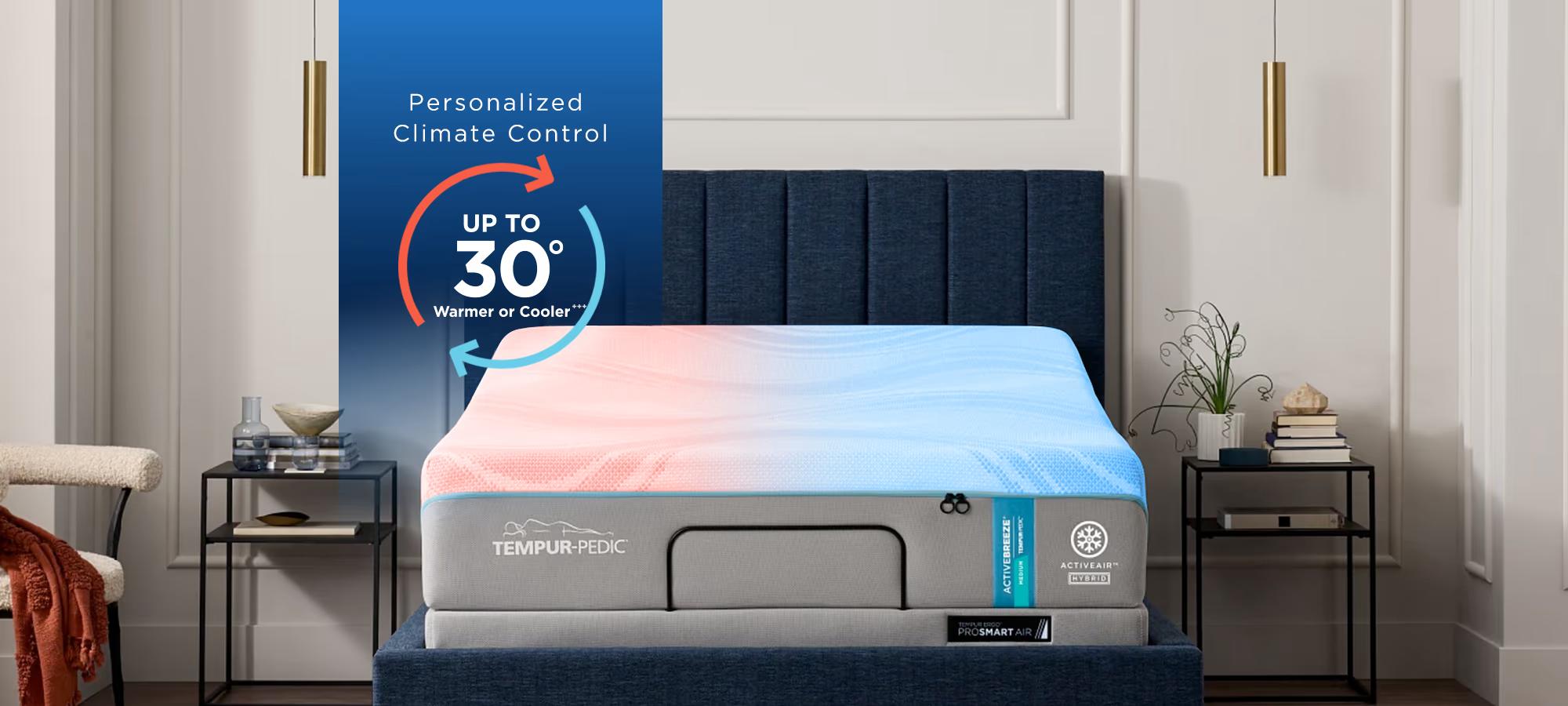
| Tempur-Pedic | Best-in-class pressure relief and deep contouring (foam feel) | Proprietary memory foam; cooling on select models | 90-night trial (direct purchase) | 10-year limited (see terms) |
| Purple | Airflow + pressure relief with a responsive, unique feel | GelFlex Grid | 100-night trial; minimum 21 nights before return | 10-year limited |
| Saatva Solaire | Closest “apples-to-apples” adjustable air alternative | Adjustable air with 50 firmness settings; layered comfort | 365-night home trial; pickup/processing fee commonly applies | Lifetime (see terms) |
Fast competitor decision matrix
- Buy Sleep Number if: your #1 goal is different firmness for each sleeper, and you want adjustability over time.
- Buy Tempur-Pedic if: you want the most proven pressure relief and don’t care about dual firmness.
- Buy Purple if: you sleep hot and want airflow + pressure relief with a bouncy, responsive feel.
- Buy Saatva Solaire if: you want adjustable air but prefer a different brand approach and a very long home trial.
If is around a holiday, Sleep Number is most likely running a HUGE sale right now. Check out current pricing here –> Sleep Number Website Sale.
Recommendations by Use Case
- Best for couples who disagree on firmness: p6 (value) or i8 (premium sweet spot)
- Best for side sleepers with pressure points: m7 (foam feel) or i10/iLE (plusher comfort layers)
- Best for back sleepers: p5/p6 or i8 (if you want more premium cushioning)
- Best for hot sleepers: ClimateCool or Climate360 (active climate tech)
- Best budget pick: c4 (better comfort) or c2 (lowest-cost entry)
- Best for sleep-data & optimization fans: i-series or Climate models (if temperature control is part of your plan)
Who Should (and Shouldn’t) Buy a Sleep Number Bed
Who should buy
- Couples with different firmness needs who are tired of compromising.
- People whose needs change (injury recovery, pregnancy, weight changes, aging).
- Buyers who value customization and are willing to learn a system.
- Shoppers who like data and will actually use sleep insights.
Who should NOT buy
- If you want a simple, traditional mattress with no app, no components, and minimal policy friction.
- If you strongly dislike the air-bed feel or are sensitive to the divider effect.
- If you want a trial with no fees and easy returns.
- If you only want “cooler sleep” and could fix it through bedding, room temperature, airflow, or a breathable non-air mattress.
Common Sleep Number Complaints (And What to Do About Them)
1) “It feels like an air mattress.”
- Why it happens: thinner comfort layers (more common in Classic/entry models) and/or very soft settings.
- Fixes: move your setting toward a firmer mid-range; consider stepping up to Performance (p5/p6) or Innovation (i8/i10) for more cushioning; test an m7 if you want foam feel.
2) “I feel the divider in the middle.”
- Why it happens: dual air chambers meet at the center; some sleep positions emphasize it.
- Fixes: avoid sleeping directly on the seam; match your settings more closely; consider a higher-tier model with more comfort layers; consider your bedding/topper strategy (but confirm topper compatibility with your setup).
3) “I sleep hot on my Sleep Number.”
- Why it happens: foam layers can retain heat; bedding and room humidity often matter more than people think.
- Fixes: start with breathable sheets and lighter bedding; reduce room humidity; if overheating is persistent, test ClimateCool/Climate360 because they’re designed as true temperature solutions.
4) “The trial/return policy feels unfair.”
- Why it happens: 30-night minimum plus return/exchange fees can surprise buyers.
- Fixes: treat the fee as the cost of a 30-night test; if that doesn’t work for your budget, choose competitors with easier returns before buying.
5) “I’m worried about air loss or long-term issues.”
- Reality check: adjustable air systems have components. Many owners have great long-term experiences, but maintenance is part of the category.
- Best practice: keep your documentation; understand the warranty and service process before purchase; choose a model tier you’ll keep long enough to justify the system.
Decision Tree: Pick the Right Sleep Number in 60 Seconds
- Are you buying for a couple with different firmness needs?
- Yes: start with p6 (value) or i8 (premium).
- No: go to #2.
- Do you have shoulder/hip pressure points (side sleeper)?
- Yes: look at m7 or plush i10/iLE.
- No: go to #3.
- Do you overheat regularly at night?
- Yes: consider ClimateCool (cooling) or Climate360 (cooling + warming).
- No: go to #4.
- Is your budget tight?
- Yes: c4 (better comfort) or c2 (lowest entry).
- No: go to #5.
- Do you want “premium feel” without climate pricing?
- Yes: i8 (sweet spot) or i10/iLE (plusher).
- No: p6 is the best all-around starting point for most buyers.
Getting a good nights sleep has a drastic effect on your overall health. It’s good to remember that keeping physically fit and getting exercise also affects your overall sleep patterns. A great, at home solution, for a good workout is a Tonal 2 if you are looking for a system that takes up minimal space. Check out Everyday Home Gym’s review of the Tonal 2…it might be the best thing you can pair with a Sleep Number bed for overall health.
FAQ: Sleep Number Beds
Q: Are Sleep Number beds worth it?
A: They’re worth it when you truly benefit from adjustable firmness (especially for couples) or your comfort needs change over time. If you just want a great mattress with simple ownership, many competitors offer better value.
Q: Can two people really set different firmness?
A: Yes—this is the core advantage and the biggest reason couples buy Sleep Number.
Q: What does the 1–100 Sleep Number mean?
A: It’s the firmness scale for air pressure settings. Higher generally feels firmer.
Q: Is the 100-night trial truly risk-free?
A: Not always. A 30-night minimum is typical before returns, and a return/exchange fee commonly applies.
Q: Do Sleep Number beds sleep hot?
A: Some sleepers do report heat retention depending on model and bedding. Hot sleepers should seriously consider Climate models if overheating is persistent.
Q: What’s the best Sleep Number for side sleepers?
A: The m7 (foam feel) or plush i-series options like i10/iLE are often the best starting points for pressure relief.
Q: What’s the best Sleep Number for couples?
A: p6 is often the best value; i8 is the premium sweet spot.
Q: Do I need an adjustable base?
A: No, but many people love it for reading, TV, reflux support, comfort positioning, and snore-related features depending on base tier.
Q: What’s the difference between ClimateCool and Climate360?
A: ClimateCool focuses on active cooling; Climate360 includes active cooling and warming routines.
Q: If I hate “air bed feel,” should I avoid Sleep Number entirely?
A: Not necessarily. Higher-tier models with thicker comfort layers can feel far more “mattress-like.” But if you dislike the concept even in-store, you’ll likely be happier with foam/hybrid alternatives.
Final Verdict: Is Sleep Number the Best Bed for You?
If your #1 need is customizable firmness—especially for two people—Sleep Number can be one of the most effective solutions on the market. The p6 and i8 remain the best starting points for most buyers: p6 for value, i8 for premium balance.
If you’re buying Sleep Number because you want “the best mattress,” full stop, you might be happier with a premium foam/hybrid competitor that offers simpler ownership and easier returns. Sleep Number is at its best when you treat it like what it is: a sleep system.
If is around a holiday, Sleep Number is most likely running a HUGE sale right now. Check out current pricing here –> Sleep Number Website Sale.
My recommended buying strategy
- Test in-store at multiple settings (don’t just try “one number”).
- Choose mattress tier first (comfort layers), then decide base tier.
- Read trial + fee policy like you’re signing a contract (because you are).
- If overheating is real, don’t “hope” a standard model will fix it—test Climate models.
